
Cervical Length Assessment From £100 | Pregnancy Cervix Scan | UKSONO Healthcare
Pregnancy cervical surveillance · transvaginal ultrasound

Cervical Length Assessment precise measurement. clear guidance.

A focused pregnancy ultrasound measuring the closed cervical length using transvaginal imaging — the preferred ultrasound technique for cervical-length assessment and preterm-birth risk evaluation.
From £100Self-referral · same-day digital report
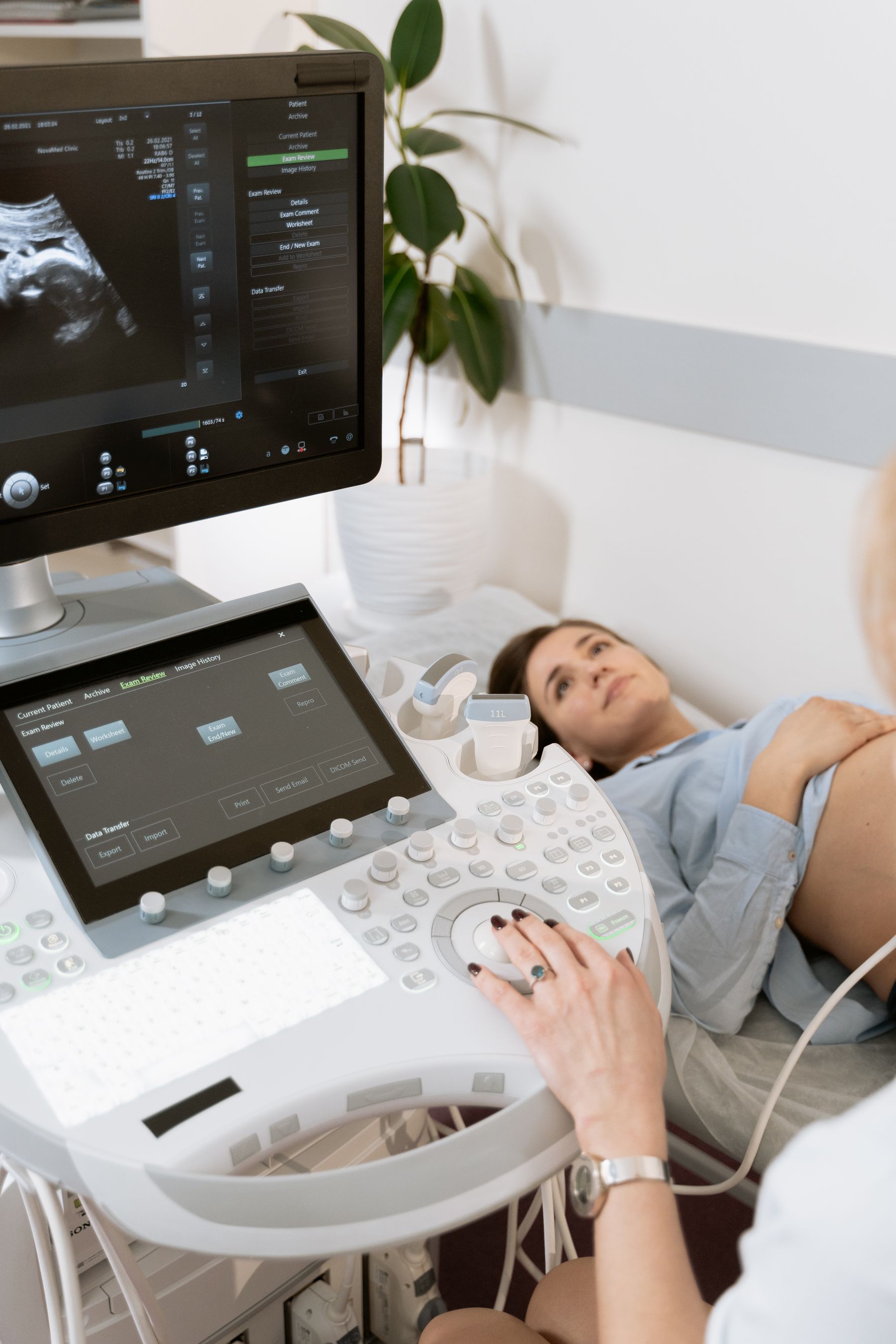
Pregnant woman undergoing ultrasound assessment in a modern clinic
Accurate cervical length measurement is usually transvaginal. The examination is consent-led, performed with an empty bladder and designed to minimise pressure on the cervix.
PriceFrom £100
MethodTransvaginal ultrasound
Typical surveillanceSecond trimester
MeasurementClosed cervical length
ReportingSame-day digital report
Choose your clinic

Clear, location-specific pricing.

Tunbridge Wells and Orpington are £100. Canary Wharf is £120 and uses its dedicated London booking route.

Kent clinics

Tunbridge Wells & Orpington

£100

Private Cervical Length Assessment with transvaginal ultrasound.

  • Consent-led transvaginal assessment
  • Closed cervical length measurement
  • Funneling / dynamic change noted if seen
  • Same-day digital report
Book Tunbridge Wells / Orpington
Who may benefit

A focused scan when cervical surveillance matters.

Cervical length assessment can be useful in pregnancies where previous history, current clinical concerns or specialist advice indicate a need to assess the cervix more closely.

01

Previous spontaneous preterm birth

Cervical surveillance may form part of specialist care after a previous spontaneous early birth.

02

Previous second-trimester loss

Women with relevant pregnancy-loss history may be offered cervical-length surveillance through a maternity pathway.

03

Previous cervical treatment

Some women with previous cervical surgery or excisional treatment may be advised to have cervical assessment.

04

Specialist surveillance plan

Your obstetric or preterm-birth team may recommend serial cervical-length scans at defined gestations.

05

Reassurance after prior history

A private measurement may provide additional information, but it should complement rather than replace your NHS pathway.

06

Follow-up measurement

Repeat measurement may be useful when your previous scan showed a borderline or shortened cervix and follow-up has been advised.
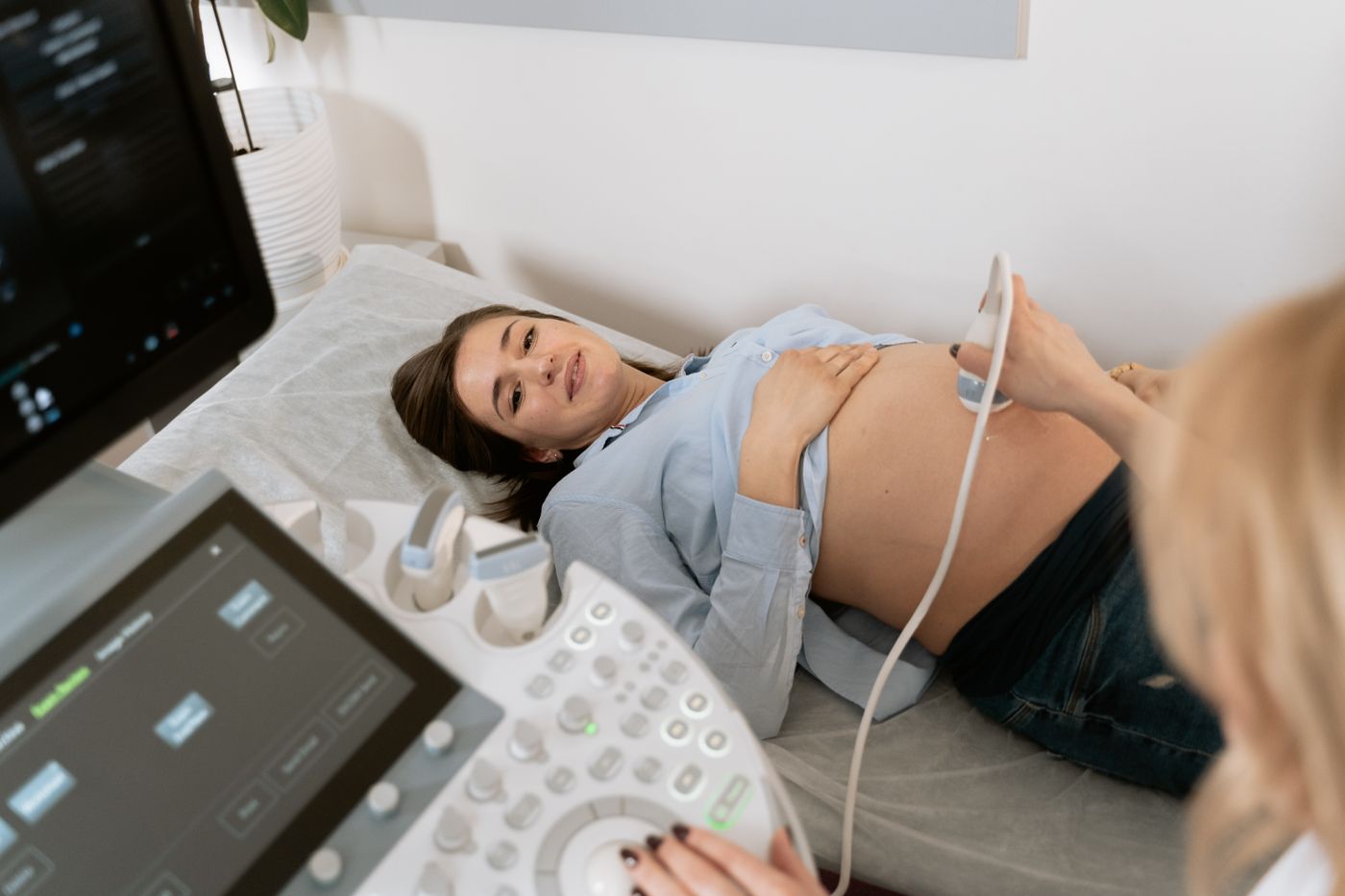
Pregnant patient having an ultrasound scan with a healthcare professional
Why transvaginal ultrasound?

The most reliable way to measure cervical length.

For cervical-length assessment, transvaginal ultrasound gives the clearest view of the internal os, cervical canal and external os, and avoids distortion from an overfilled bladder.

Consent comes firstThe internal scan is explained beforehand and is performed only with your informed agreement.
Empty bladderAn empty bladder helps avoid artificially lengthening the cervix.
Minimal probe pressureExcess pressure can distort the cervix, so the image is obtained gently and carefully.
Dynamic observationThe cervix may be observed long enough to identify shortening or funneling that changes during the examination.
Measurement technique

How cervical length is measured accurately.

The technique follows recognised transvaginal cervical-length principles, including an empty bladder, sagittal imaging, repeated measurements and documentation of the shortest technically correct result.

Step 1

Identify both os

The internal os, endocervical canal and external os are clearly visualised.

Step 2

Optimise the image

The cervix is magnified and excessive probe pressure is avoided.

Step 3

Repeat measurements

Several technically correct measurements are obtained to account for dynamic change.

Step 4

Record shortest valid length

The shortest technically correct closed cervical measurement is documented.

Preparing for your scan

Simple preparation for an accurate measurement.

This is a focused internal ultrasound examination. The aim is to measure the cervix without distortion and document relevant cervical features clearly.

Empty your bladderA full bladder can make the cervix appear artificially longer.
Bring relevant maternity informationPrevious cervical-length measurements, obstetric history or specialist letters can provide useful context.
Tell us about symptomsIf you have contractions, bleeding, fluid loss, significant pressure or pain, let us know before the scan.
Consent-led examinationYou can ask questions, decline or stop the transvaginal examination at any time.
01
Clinical historyYour gestation, previous pregnancy history and reason for cervical assessment are reviewed.
02
Consent & preparationThe transvaginal technique is explained and the scan proceeds only with your consent.
03
Cervical visualisationThe internal os, cervical canal and external os are identified in a true sagittal view.
04
Repeated measurementsMultiple technically correct measurements are obtained and dynamic cervical change is observed.
05
Result & onward guidanceThe measurement and any relevant sonographic findings are explained, with NHS or specialist follow-up advised where appropriate.
Understanding the result

Cervical length is a risk marker — not a diagnosis by itself.

A cervical measurement is interpreted in context. Gestation, previous pregnancy history, current symptoms and your maternity pathway all matter when deciding whether further surveillance or treatment is appropriate.

What the scan can provide

A reproducible cervical-length measurement, documentation of funneling or dynamic change if present, and a same-day report that can support discussion with your maternity or preterm-birth team.

What it does not replace

Formal maternity assessment for symptoms of preterm labour, obstetric review, fetal monitoring, infection assessment, treatment decisions or specialist preterm-birth surveillance where these are clinically indicated.

Pregnancy cervical length ultrasound reporting
TechniqueTransvaginal
Cervical lengthDocumented
Funneling / dynamic changeIf present
Digital reportSame day
Results & next steps

A precise measurement with clear clinical context.

Your Sonographer explains the cervical length and any additional sonographic observations identified during the examination.

Length within expected rangeThe measured closed cervical length is documented alongside gestation and technical observations.
Shortened cervixA short cervix may increase the risk of spontaneous preterm birth and should be interpreted alongside obstetric history and gestation.
Further review when appropriateWhere the result requires clinical management or surveillance, you will be advised to contact your NHS maternity, obstetric or preterm-birth team.
!
Symptoms of possible preterm labour need maternity assessment, not simply a private cervical-length scan.

Regular painful contractions, vaginal bleeding, suspected fluid leakage, increasing pelvic pressure, severe pain, fever or feeling acutely unwell should prompt contact with your maternity unit or maternity triage.

Cervical length FAQs

Detailed answers before you book.

Common questions about transvaginal measurement, timing, bladder preparation, short cervix, funneling, preterm-birth risk and when specialist maternity review is needed.

What is a Cervical Length Assessment?
A Cervical Length Assessment is an ultrasound measurement of the closed length of the cervix during pregnancy. It is commonly used to help assess the risk of spontaneous preterm birth in women who have relevant risk factors or when cervical surveillance has been advised.
How much is the scan?
The Cervical Length Assessment is £100 at Tunbridge Wells and Orpington and £120 at Canary Wharf.
When is cervical length usually assessed?
Cervical surveillance is commonly performed during the second trimester. RCOG patient information describes vaginal ultrasound surveillance between 16 and 22 weeks in women at increased risk, while clinical pathways may vary according to individual history and specialist advice.
Is the scan transvaginal?
Yes. Transvaginal ultrasound is the preferred method for accurate cervical length measurement. It is performed only with your informed consent.
Why is transvaginal ultrasound preferred?
Transvaginal ultrasound provides a more reliable view of the internal and external cervical os and avoids some of the measurement problems that can occur with a full bladder or a transabdominal approach.
Do I need a full bladder?
No. Cervical length is usually measured transvaginally with the bladder emptied, because a full bladder can artificially lengthen the cervix and affect the measurement.
How is the cervical length measured?
The cervix is imaged in the sagittal plane and the closed cervical length is measured between the internal and external os. Multiple technically correct measurements are obtained and the shortest valid measurement is generally documented.
What is considered a short cervix?
In many second-trimester clinical pathways, a cervical length below 25 mm is considered short. Interpretation depends on gestation, obstetric history, symptoms and the wider clinical context.
Does the scan look for cervical funneling?
Yes. Where present, funneling or dynamic opening at the internal os can be documented. Additional findings such as membrane changes or debris may also be described when visible.
Can this scan diagnose preterm labour?
No. Cervical length is one part of the assessment of preterm birth risk. Symptoms such as contractions, bleeding, fluid loss or pelvic pressure require appropriate maternity assessment and should not be managed by a private cervical length scan alone.
What happens if the cervix is short?
The finding will be explained and documented. Depending on the cervical length, gestation, previous pregnancy history and symptoms, NHS maternity or specialist preterm-birth review may be recommended.
Will I need treatment if my cervix is short?
Not necessarily. Management is individualised. Depending on your clinical situation, your maternity team may discuss options such as progesterone, cervical cerclage or closer surveillance.
Can I have this scan if I have had a previous preterm birth or late miscarriage?
Yes. Cervical-length surveillance is often used in women with a history of spontaneous preterm birth or second-trimester loss, but your NHS or specialist team should guide the overall surveillance and treatment plan.
Will I receive a report?
Yes. You receive a same-day digital report documenting the cervical length, measurement technique and relevant sonographic observations.
When should I contact maternity triage instead?
Seek prompt maternity assessment for regular painful contractions, vaginal bleeding, suspected fluid leakage, significant pelvic pressure, fever, severe pain or if you feel acutely unwell. A private cervical length scan should not delay urgent maternity care.
Related pregnancy scans

Continue your pregnancy imaging pathway.

Trusted information

Cervical surveillance and pregnancy guidance.

RCOG patient information

Cervical Stitch

RCOG explains cervical surveillance, short cervix and treatment options that may be discussed in higher-risk pregnancies.

Read RCOG guidance →
Professional guidance

ISUOG Cervical Length Guidance

International guidance supporting transvaginal ultrasound as the preferred method for cervical-length assessment.

View ISUOG guidance →
UKSONO pregnancy guides

Pregnancy Ultrasound Articles

Explore UKSONO patient guides covering pregnancy ultrasound, fetal wellbeing and scan findings.

Browse pregnancy guides →
UKSONO health library

Medical Knowledge Centre

Clinically focused information designed to help patients understand imaging findings and next steps.

Browse health articles →

What Our Patients Say

Cervical Length Assessment

Book your cervical assessment.

£100 at Tunbridge Wells or Orpington · £120 at Canary Wharf · Same-day digital report.

Cervical Length Assessment · From £100 Tunbridge Wells · Orpington · Canary Wharf