
Muscles, Joints & Sports Injury Ultrasound
High-resolution, dynamic ultrasound for joint pain, tendon injury, muscle strain, swelling and sports-related injuries — from shoulder to plantar fascia, with same-day reports across Kent and London.
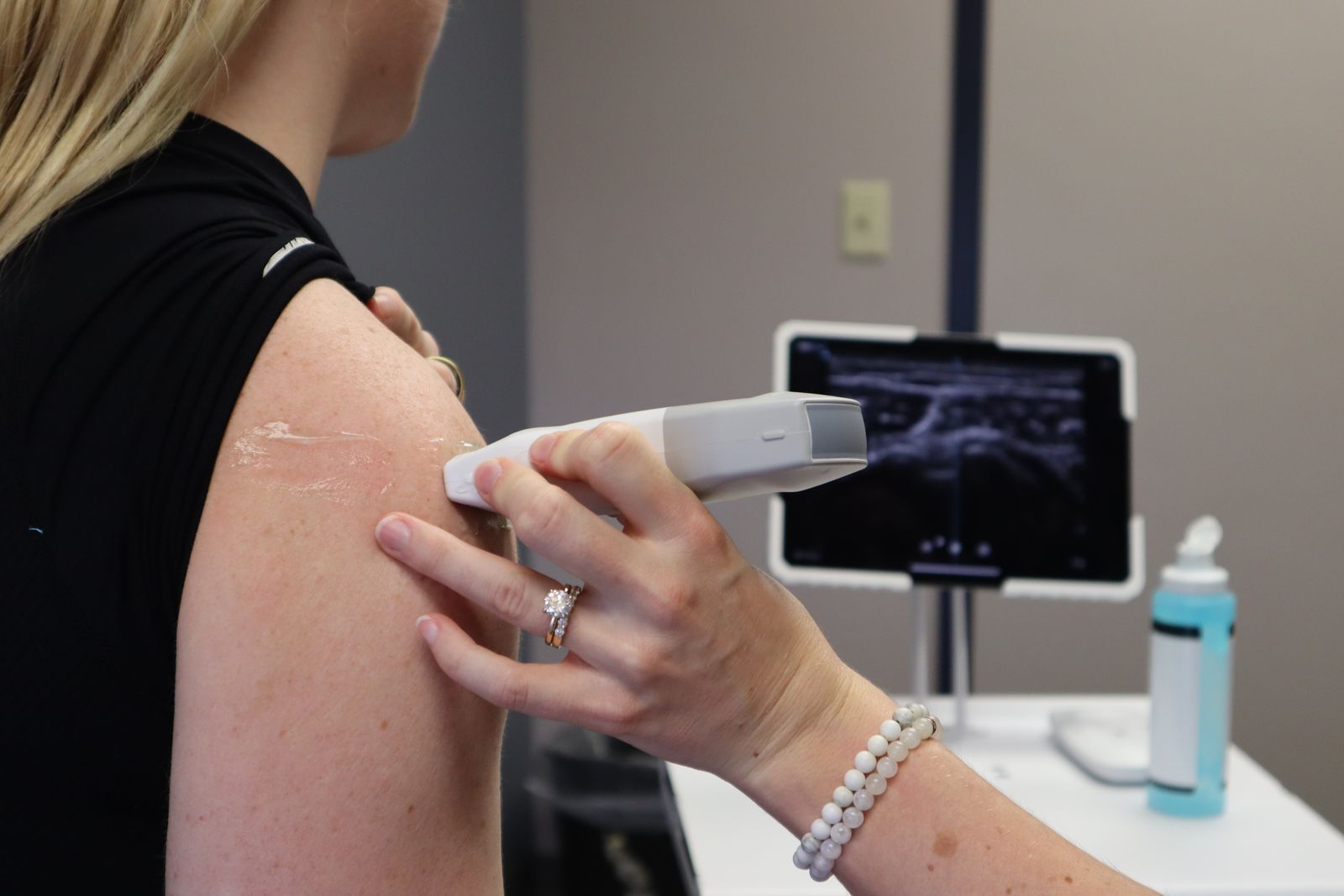
Scan the area that hurts.
Musculoskeletal ultrasound is particularly useful for superficial tendons, muscles, bursae, ligaments, nerves, joint fluid and soft-tissue abnormalities. It also allows dynamic assessment while you move the painful area.
From shoulder to heel.
Every scan below opens the relevant UKSONO service page with detailed assessment information, preparation, location-specific pricing and booking.
 Upper limb · shoulder
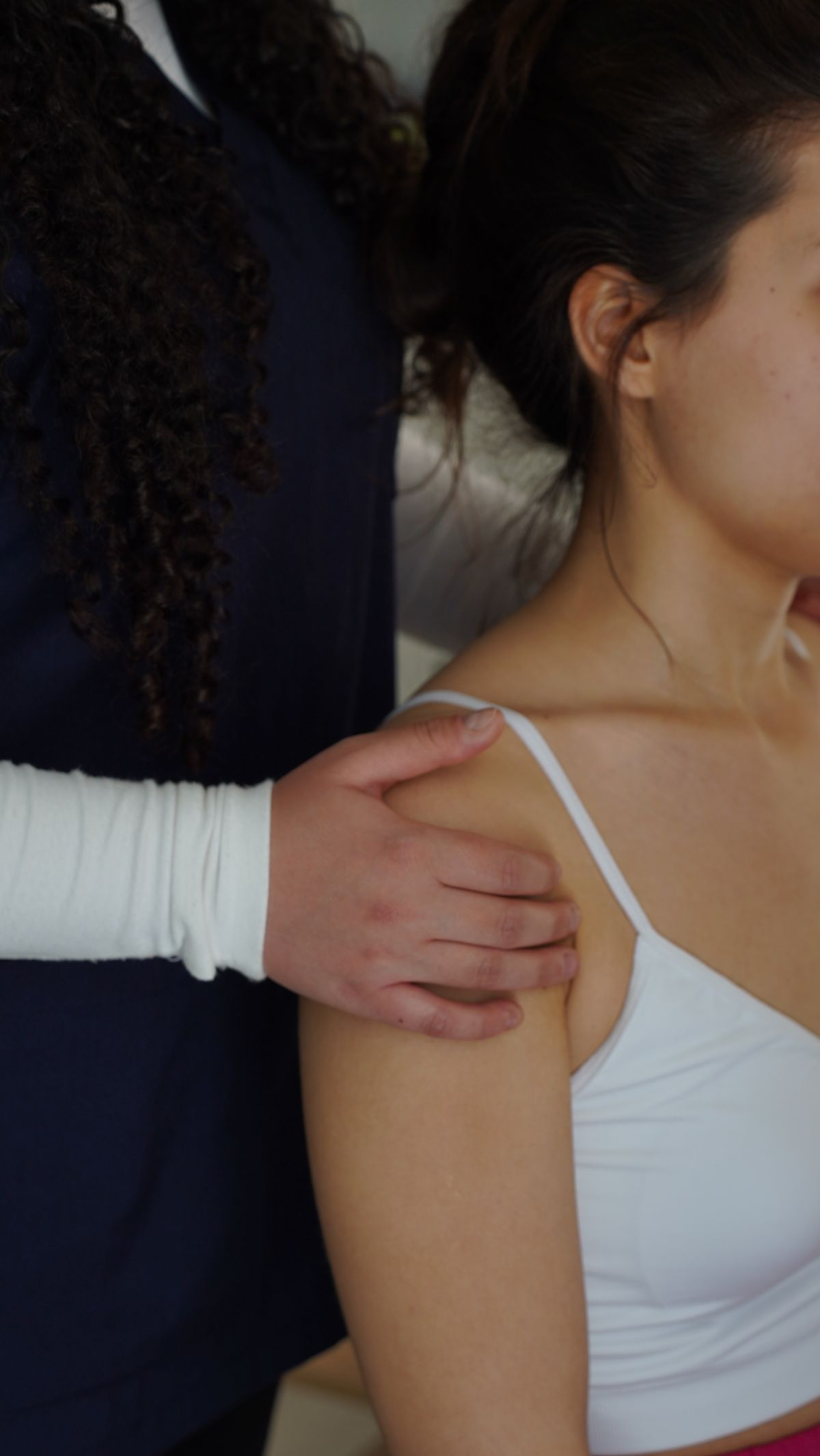
Shoulder Ultrasound
For shoulder pain, stiffness, weakness, suspected rotator-cuff injury, bursitis, calcific tendinopathy and impingement-type symptoms.
 Upper limb · elbow
Elbow Ultrasound
Assessment for tennis elbow, golfer’s elbow, distal biceps or triceps injury, bursitis, ligament-region symptoms and ulnar-nerve irritation.
 Wrist
Wrist
Wrist Ultrasound
For wrist pain, tendon problems, ganglion cysts, repetitive strain and carpal-tunnel-region symptoms.
 Hand & fingers
Hand Ultrasound
Focused ultrasound for finger-joint swelling, tendon injury, trigger-finger-type symptoms, soft-tissue lumps and inflammatory change.
Combined assessment
Hand & Wrist Ultrasound
A broader single-side assessment when pain, swelling or neurological symptoms involve both the hand and wrist.
 Hip & groin
Hip Ultrasound
For hip or groin pain, lateral-hip symptoms, bursitis, gluteal tendon problems, iliopsoas issues and snapping-hip symptoms.
 Thigh · hamstring
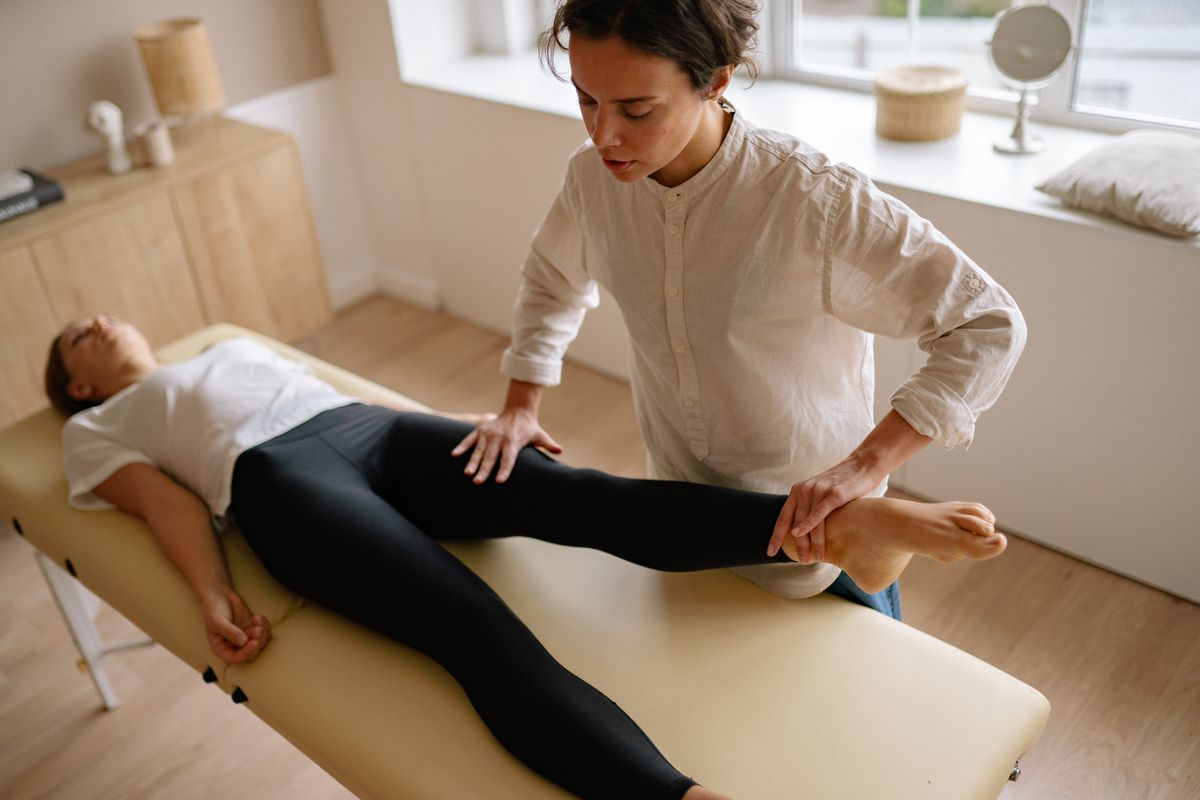
Thigh & Hamstring Ultrasound
Assessment for upper-leg pain, muscle strain or tear, focal swelling, hamstring/adductor injury and sports-related soft-tissue symptoms.
 Knee
Knee
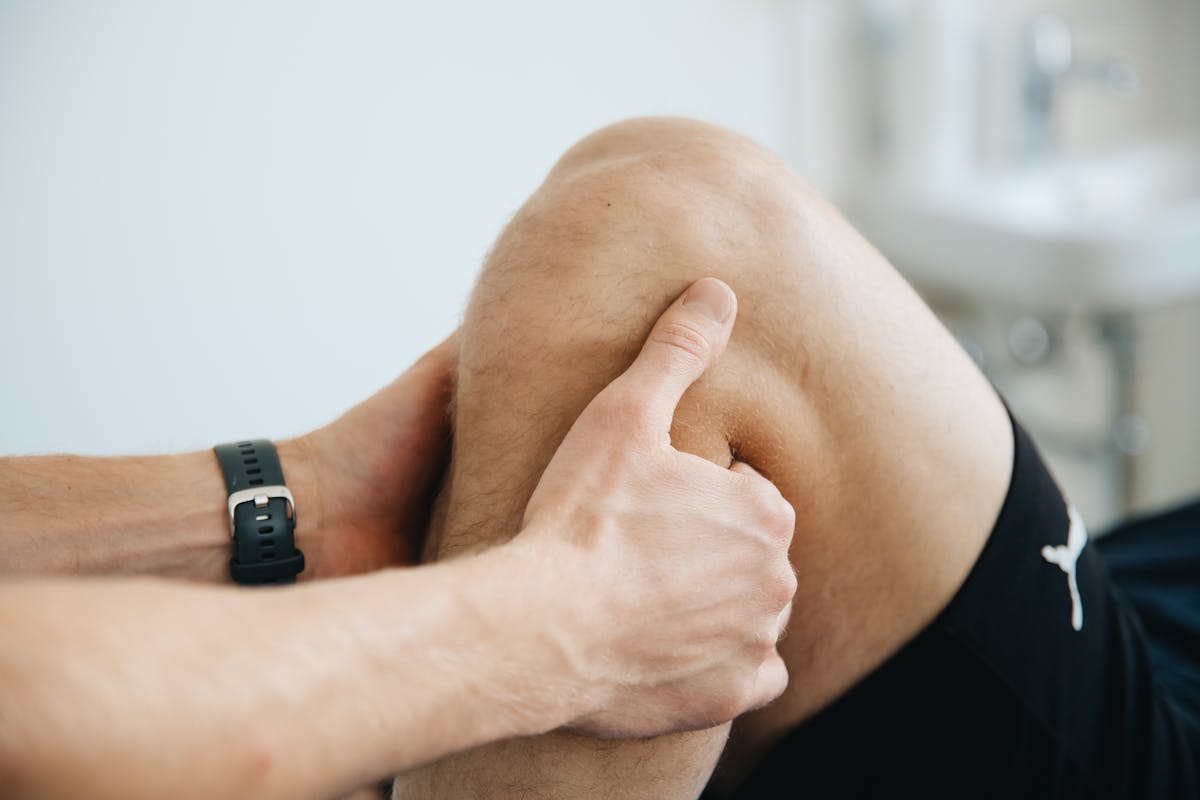
Knee Ultrasound
For knee pain, swelling, tendon injury, bursitis, Baker’s cyst, superficial ligament-region symptoms and post-injury review.
 Combined lower limb
Knee & Calf Ultrasound
A wider scan when symptoms extend from the knee into the calf, including muscle injury, Baker’s cyst, soft-tissue swelling and targeted venous assessment where appropriate.
 Ankle
Ankle
Ankle Ultrasound
For ankle pain, swelling, sprains, ligament injury, tendon problems, instability, fluid and soft-tissue lumps.
 Foot
Foot
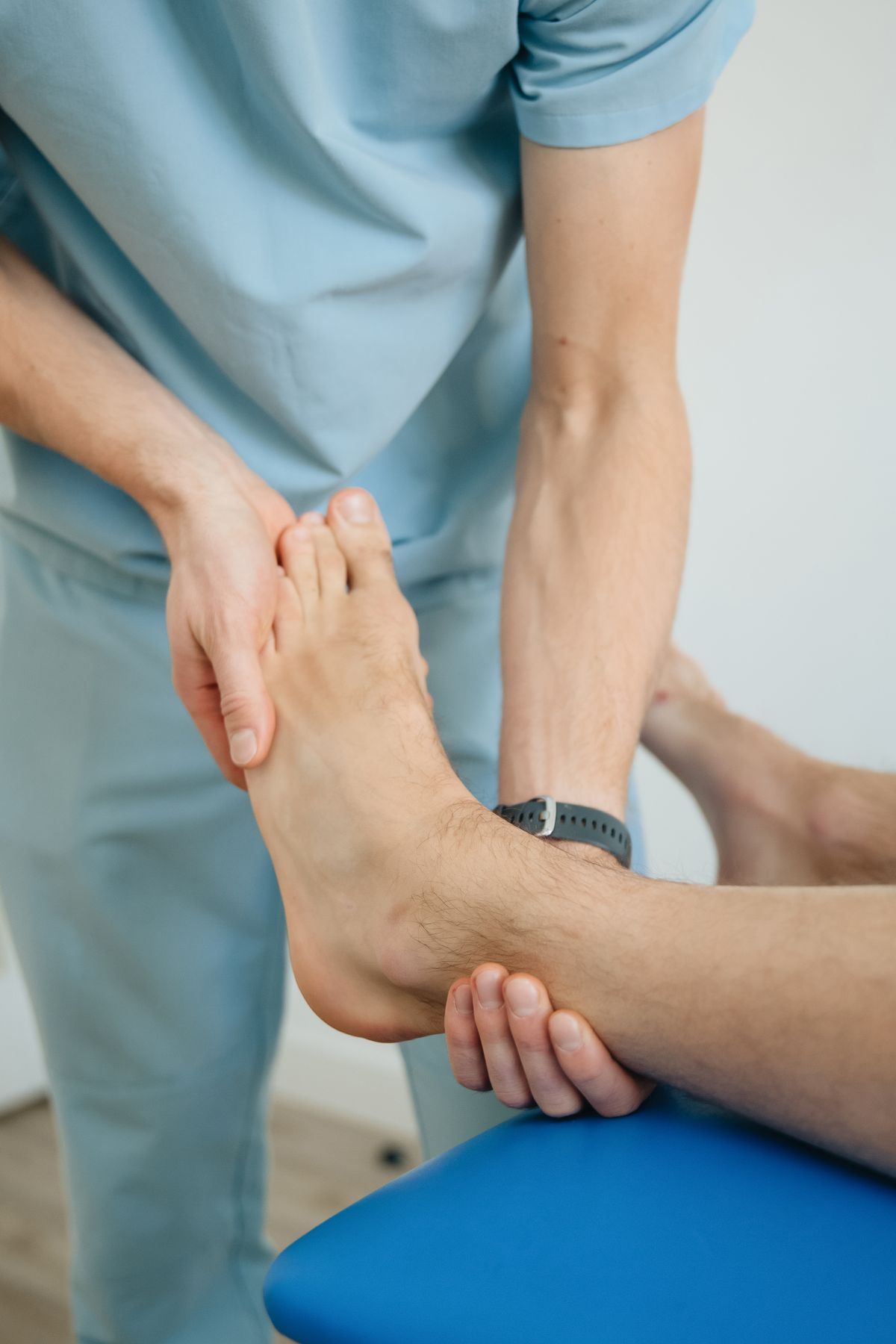
Foot Ultrasound
Assessment for foot pain, tendon injury, plantar-fascia symptoms, Morton’s-neuroma-region pain, ganglion cysts and post-injury concerns.
Achilles tendon
Achilles Tendon Ultrasound
For Achilles pain, thickening, tendinopathy, suspected partial or complete tear, bursitis and sports injury after running or sudden push-off.
Plantar fascia · heel
Plantar Fascia Ultrasound
Focused heel ultrasound for plantar fasciitis, fascial thickening, strain, suspected tear and persistent first-step morning heel pain.

Injury assessment without radiation.
MSK ultrasound can be particularly useful after a sporting injury when the concern involves superficial tendons, muscles, ligaments, bursae, soft-tissue swelling or fluid. Dynamic scanning allows selected structures to be assessed while moving.
What MSK ultrasound is especially good at.
Ultrasound gives high-resolution, real-time imaging of many superficial soft-tissue structures.
When another test may be better.
Ultrasound does not replace every form of musculoskeletal imaging. The report can recommend appropriate onward imaging where needed.
Clear results. Clear next steps.
Your findings are explained during the appointment and your written ultrasound report is normally issued the same day.
What Our Patients Say
Questions before you book.
Do I need a GP referral for an MSK ultrasound?
No. You can self-refer for UKSONO MSK ultrasound scans. Your report can be shared with your GP, physiotherapist or specialist with your consent.
How long does an MSK ultrasound take?
Most focused single-region scans take around 15–20 minutes, although combined or bilateral examinations may take longer.
Will I get the results on the same day?
Yes. The findings are explained during the appointment and a formal written ultrasound report is normally provided the same day.
Can ultrasound diagnose a tendon tear?
Ultrasound can demonstrate many tendon tears, tendinopathy, thickening, calcification and associated inflammation. Some injuries may still require MRI depending on location and clinical question.
Can ultrasound assess a muscle tear?
Yes. Ultrasound can assess many superficial muscle strains and tears, haematoma and healing change, particularly when the affected region is accessible to the probe.
Is ultrasound useful for sports injuries?
Yes. It is particularly useful for superficial tendon, muscle, bursal and selected ligament injuries and can provide dynamic assessment without ionising radiation.
Can shoulder ultrasound assess the rotator cuff?
Yes. Shoulder ultrasound can assess the supraspinatus, infraspinatus and subscapularis tendons, as well as the biceps tendon, bursa and other superficial structures.
Can elbow ultrasound assess tennis elbow?
Yes. Ultrasound can assess the common extensor tendon for tendinopathy or tearing associated with tennis-elbow symptoms, as well as the common flexor tendon for golfer’s elbow.
Can wrist ultrasound assess carpal tunnel syndrome?
Ultrasound can assess the median nerve and carpal-tunnel region for structural features that may support nerve compression. Nerve-conduction studies may still be required in some cases.
Can knee ultrasound assess a Baker’s cyst?
Yes. Ultrasound is commonly used to identify a Baker’s cyst, joint fluid, bursitis and superficial tendon or soft-tissue abnormalities around the knee.
Can ultrasound see the ACL or meniscus properly?
Ultrasound has limitations for deep internal knee structures. MRI is usually more suitable for detailed assessment of the ACL, PCL, deep meniscal injury and internal cartilage.
Can ankle ultrasound assess ligament sprains?
Ultrasound can assess selected superficial ankle ligaments, tendon injuries, swelling, joint fluid and dynamic instability where appropriate.
Can foot ultrasound assess Morton’s neuroma?
Yes. The intermetatarsal spaces can be assessed for features compatible with Morton’s neuroma and related forefoot soft-tissue abnormalities.
Can ultrasound diagnose plantar fasciitis?
Ultrasound can assess plantar-fascia thickness, echotexture, focal disruption and associated heel soft tissues, supporting assessment of plantar fasciitis and related heel pain.
Can Achilles ultrasound assess a tear?
Yes. Ultrasound can assess Achilles tendinopathy and features of partial or full-thickness tendon tears, as well as surrounding bursae and soft tissues.
Should I have ultrasound, X-ray or MRI?
That depends on the suspected problem. Ultrasound is excellent for many superficial soft-tissue conditions; X-ray is often better for bone, and MRI is often better for deeper joint structures. Your ultrasound report can advise if further imaging is appropriate.
Can children have MSK ultrasound?
Yes, where clinically appropriate. Ultrasound is radiation-free and is generally well tolerated by children. A parent or guardian should attend.
Can both sides be scanned?
Yes. Bilateral options are available for many regions, including shoulders, elbows, wrists, hands, hips, knees, feet and heels. Pricing varies by service.
Choose the painful area and get clear answers.
Self-refer directly to UKSONO Healthcare for private musculoskeletal ultrasound in Tunbridge Wells, Orpington or Canary Wharf.