
Ectopic Pregnancy — Symptoms, Diagnosis & Treatment
A concise, evidence-based guide aligned with NICE, RCOG and BMUS guidance. If you have pain, bleeding or are unsure where your pregnancy is located, early specialist ultrasound is essential.
What is an Ectopic Pregnancy?
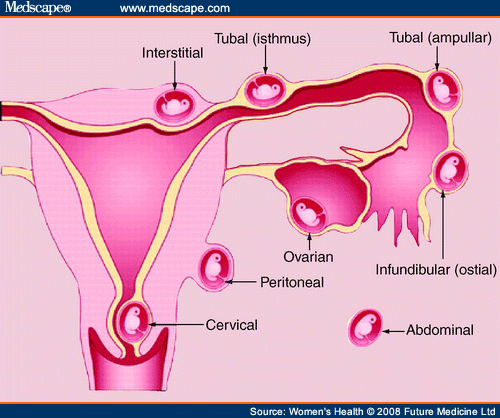
An ectopic pregnancy occurs when a fertilised egg implants outside the uterine cavity—most often in the fallopian tube, but occasionally in the cervix, ovary or abdominal cavity. These sites cannot support a developing pregnancy. Timely diagnosis prevents haemorrhage and preserves health.
Why urgency matters: A growing ectopic can stretch or rupture the tube, causing internal bleeding. Rapid assessment and a defined pathway are critical.
Risk Factors
- Previous ectopic pregnancy
- Pelvic inflammatory disease or tubal infection
- Prior pelvic/tubal surgery (including sterilisation or reversal)
- Endometriosis
- Fertility treatment (e.g., IVF)
- Smoking
- Conception with IUD or progestogen-only pill (rare)
Note: Many people with ectopic pregnancy have no identifiable risk factors.
Common Symptoms
- One-sided lower abdominal or pelvic pain
- Vaginal bleeding or spotting
- Shoulder-tip pain (from diaphragmatic irritation by intra-abdominal blood)
- Light-headedness, dizziness or collapse
- Pain on urination or bowel movement
How is Ectopic Pregnancy Diagnosed?
Transvaginal Ultrasound
First-line imaging to establish pregnancy location. Assessment includes uterus, adnexa and pelvic cavity for a gestational sac, adnexal mass and free fluid.
β-hCG Blood Tests
Serial hormone measurements interpreted alongside ultrasound; ectopic pregnancies often show slower-than-expected rises.
Clinical Assessment
Symptoms, examination and haemodynamic stability determine urgency and treatment pathway if rupture is suspected.
Treatment: Expectant
Careful observation may be suitable in selected cases with falling β-hCG and no signs of rupture. Requires reliable follow-up and immediate access to urgent care if symptoms change.
Treatment: Medical
Methotrexate can be used for small, unruptured ectopic pregnancies with appropriate blood parameters. It inhibits trophoblastic tissue and may preserve tubal function.
Treatment: Surgical
Laparoscopic (keyhole) surgery is indicated when rupture is suspected, bleeding is present, or medical therapy is unsuitable. The aim is to remove ectopic tissue and control haemorrhage.
Why Early Ultrasound Matters
Early specialist scanning clarifies pregnancy location, identifies complications and directs the fastest, safest pathway to care.
- Confirm intrauterine vs extra-uterine location
- Identify gestational sac and cardiac activity where visible
- Detect adnexal masses or free fluid
- Provide a structured, same-day report with clear next steps
References & Professional Standards
- NICE: Ectopic pregnancy and miscarriage: diagnosis and initial management (NG126).
- RCOG: Patient information: Ectopic pregnancy and Green-top Guideline No. 21.
- NHS: Ectopic pregnancy — overview, symptoms, diagnosis, treatment.
- BMUS/SOR: Guidelines for Professional Ultrasound Practice; Ultrasound safety statement.
Educational content only and not a substitute for emergency care. If you suspect an ectopic pregnancy or have severe symptoms, seek urgent medical help.
Expert Early Pregnancy Ultrasound at UKSONO
Our early pregnancy (viability) scans from 6 weeks are performed by consultant sonographers with fetal medicine experience. You’ll receive a structured, same-day digital report (via Medifile) with clear guidance. Clinics across Kent & London.